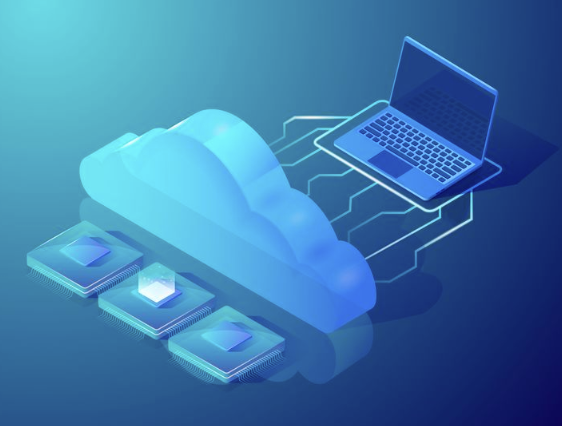
Cloud computing represents a paradigm shift in how computing resources are delivered and utilized. It enables users to access a variety of services over the internet, including storage and processing capabilities. By leveraging virtualization and shared infrastructure, it promotes efficiency and scalability. Understanding its operational mechanics is crucial for grasping its significance in today’s digital landscape. This exploration will reveal the intricacies of cloud computing and its implications for various sectors.
What Is Cloud Computing and Why Does It Matter?
Cloud computing represents a transformative paradigm in information technology, enabling the delivery of computing services—such as storage, processing power, and applications—over the internet.
Its significance lies in enhancing cost efficiency through scalable resources while maintaining robust cloud security protocols.
This shift allows organizations to optimize operational expenses and focus on innovation, ultimately fostering a more liberated approach to technology utilization and data management.
How Does Cloud Computing Work Behind the Scenes?
The functionality of cloud computing relies on a complex interplay of hardware and software technologies that facilitate the delivery of services over the internet.
Central to this process are virtualization technology and data storage solutions, which enable the efficient allocation of resources.
This architecture allows multiple users to access shared resources dynamically, ensuring scalability and flexibility while optimizing operational costs and performance.
The Different Types of Cloud Services Available?
Three primary types of cloud services dominate the landscape, each catering to distinct needs within the IT ecosystem.
Infrastructure as a Service (IaaS) offers scalability and cost-efficiency, showcasing notable IaaS advantages.
Platform as a Service (PaaS) provides essential development tools, highlighting various PaaS features.
Software as a Service (SaaS) includes practical SaaS examples, while hybrid models combine elements of public and private clouds for enhanced flexibility.
See also: What Is Cloud Computing?
Key Benefits of Cloud Computing for Individuals and Businesses
While many organizations and individuals seek efficient solutions to manage their digital resources, the adoption of cloud computing presents numerous advantages that enhance operational effectiveness.
Key benefits include cost efficiency, as resources are utilized on-demand, and scalability advantages, allowing users to adjust their computing power based on fluctuating needs.
These features empower both individuals and businesses to optimize their operations and achieve greater flexibility.
Conclusion
In conclusion, cloud computing stands as a pivotal force in the digital landscape, acting as a bridge between innovation and efficiency. By harnessing the power of shared resources, it enables seamless scalability and adaptability for users. As businesses and individuals increasingly rely on this technology, the benefits become clear: enhanced collaboration, reduced costs, and improved performance. Ultimately, cloud computing transforms the way we interact with technology, weaving a tapestry of interconnected possibilities that enrich our digital experiences.