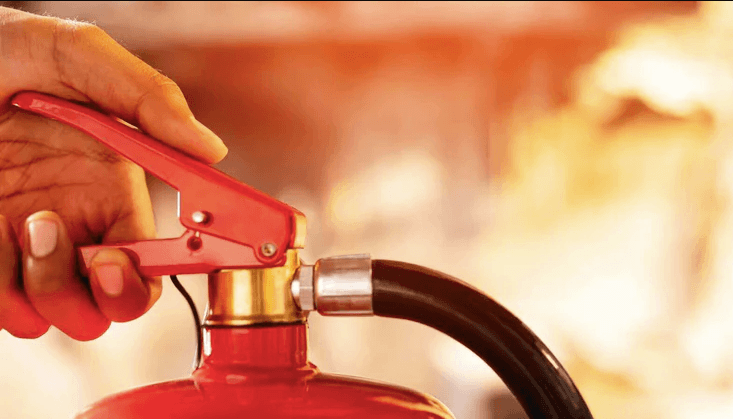
A solid home fire safety plan centers on preparation, prevention, and prompt action. Homeowners should assign roles, designate assembly points, and practice drills that adapt after each test. Kitchen vigilance, unattended cooking avoidance, and keeping combustibles away from heat are essential. Install reliable smoke alarms on every level and test them monthly, replacing batteries annually and detectors every decade. Regularly inspect wiring and unplug unused appliances, documenting maintenance. Consider how these steps fit your home, and what to address first.
How to Create a Home Fire Safety Plan
A home fire safety plan helps households prepare for emergencies and respond quickly and safely.
This plan outlines responsibilities, assembly points, and alternative routes, ensuring decisive action during a fire.
It emphasizes practicing a fire drill and updating escape plan details after drills.
Clear communication, designated roles, and periodic reviews empower residents to maintain readiness and protect lives with confidence.
Kitchen Practices That Cut Fire Risks
In the kitchen, small adjustments can prevent fires by controlling common ignition sources and hazards. The guidance focuses on staying attentive while cooking, avoiding unattended flames, and keeping combustibles away from heat.
It highlights kitchen fire starting risks and practical habits, such as maintaining clean surfaces, monitoring oil temperatures, and practicing cooking oil safety to minimize hazards without restricting freedom.
Smoke Alarms, Detectors, and Routine Maintenance
Smoke alarms and detectors form the first line of defense against residential fires, making reliable function and timely notification essential. Regular checks ensure proper smoke alarm maintenance and sensor responsiveness. Install detector placement according to manufacturer guidelines, including bedrooms and central hallways. Replace batteries yearly and unit every decade. Test monthly, silence false alarms calmly, and document maintenance to preserve preparedness and personal freedom to live safely.
Safe Heating, Wiring, and Portable Appliance Tips
Safe heating, wiring, and portable appliance use reduces fire risk by ensuring proper installation, operation, and maintenance.
The article emphasizes safe heating practices, secure electrical connections, and routine inspections.
Crew should follow portable appliance tips, unplug devices when unused, avoid overloading outlets, and keep appliances away from flammable materials.
Electrical safety rests on awareness, maintenance, and timely professional assessment.
Frequently Asked Questions
How Often Should I Practice My Home Fire Drill With Family?
The recommended frequency drills for a home fire drill with family is monthly. It assigns clear family roles, rehearses evacuation routes, and builds muscle memory, ensuring each member understands responsibilities and reactions during emergencies. Regular cadence boosts preparedness and confidence.
What Should I Include in a Home Fire Escape Plan?
A home escape plan should identify exits, establish a primary and alternate route, designate a meeting point, designate responsibilities, practice a fire drill regularly, and ensure working smoke alarms, clear pathways, and practiced family roles for safe, coordinated evacuation.
Which Types of Fire Extinguishers Are Best for Homes?
Answering which types of fire extinguishers are best for homes: The preferred options are ABC extinguishers for general risks, with CO2 for electronics, and BC for flammable liquids, noting home use suitability and practical accessibility for all.
How Can I Reduce Drafts That Fuel House Fires?
Draft reduction involves sealing gaps, upgrading insulation, and using tempered windows, while fuel source mitigation means clearing clutter near heat sources and eliminating unattended ignition points. This approach supports safe living with practical, freedom-oriented, proactive prevention.
See also: How Cryptocurrency Networks Stay Secure
What Are Signs of Electrical Overloaded Circuits at Home?
Signs of overload include frequent tripping breakers, warm outlets, buzzing sounds, burning smells, or scorched plugs. Electrical hazards arise when circuits are overtaxed; avoid using extension cords long-term, distribute loads, and consult a licensed electrician for inspection and remediation.
Conclusion
A home fire safety plan ties prevention to action, assigning roles, rehearsing drills, and updating procedures after each practice. Kitchen vigilance and keeping combustibles away from heat are central, while smoke alarms must be tested monthly and maintained on a regular schedule. Safe heating, wiring, and unplugging unused appliances prevent hazards. When alarms sound, everyone knows assembly points and routes. In this way, readiness remains steady, and families stay as safe as houses—stormy or calm—as the saying goes.